La La Land: The Dionysian and the Apollonian
Intro
During the winter break of 2017, I joined a study tour across the United States, entering through LA, then on to SF, Chicago, and finally NY. It happened to be Valentine’s Day. La La Land was still in theaters. My girlfriend at the time and I spent the morning wandering the Met, and by afternoon we were cold and exhausted, so we ducked into a movie theater to rest. I thought it was an unremarkable musical. I even fell asleep partway through.
Over the following years, I watched various analyses of La La Land, and I gradually became a nostalgic person — a deeply nostalgic one.
On the last day of 2023, I drove back to Beijing from Chongli and found the only theater on the east side still screening the film. That’s how this essay came to be.
La La Land is not a love story. It’s a story about responsibility, courage, growth, and dreams.
Seb
Seb’s central question is responsibility.
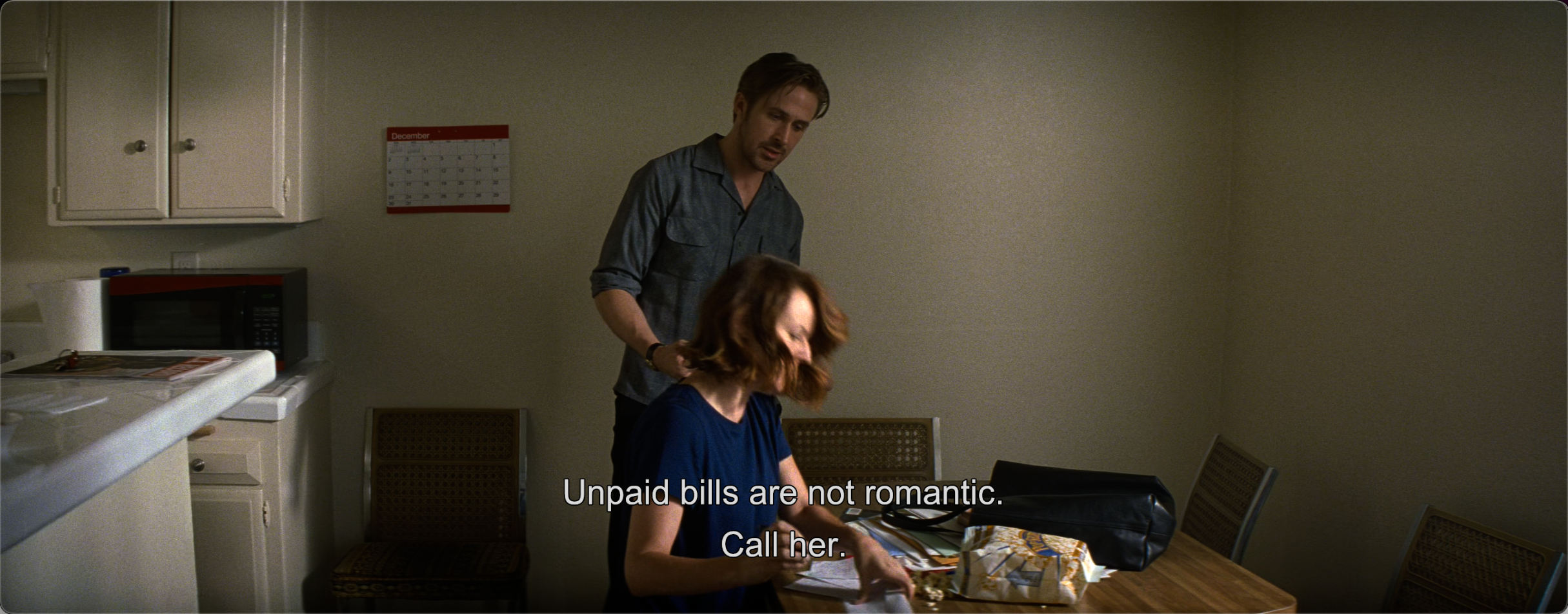
In the film, Seb is a struggling artist who can’t pay his utility bills, refuses help from his family, can’t hold down a job, gets fired by the restaurant manager — and yet remains “devoted” to jazz, specifically the most traditional form of jazz.
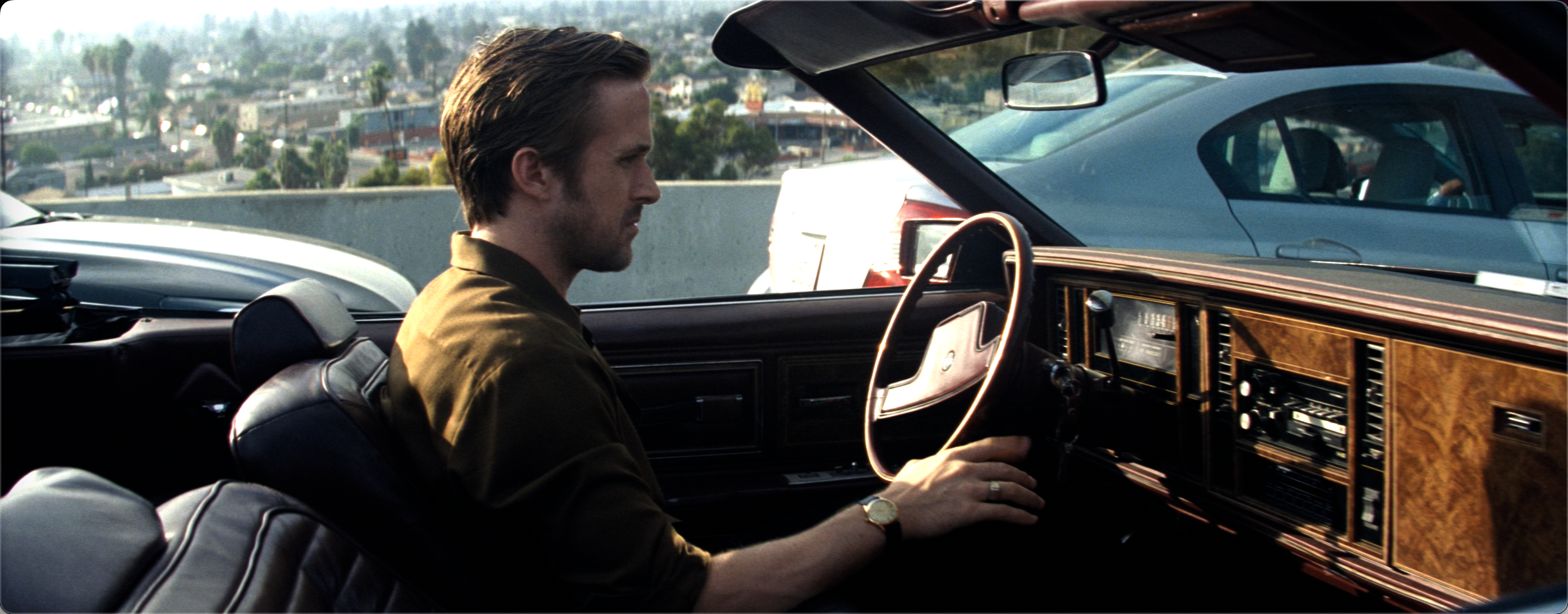
The film is full of details that build Seb’s character. He drives a 1982 Buick Riviera. The film is set around 2014 or 2015. Daily-driving a car from the eighties is plainly impractical — the fuel costs and maintenance alone would be exorbitant. But he insists, because it sustains a certain self-image: I am a man of taste, pining for a distant and beautiful era; I got fired because the manager doesn’t understand jazz; I’m not destitute — I’m a martyr.
By the end of the film, Seb has opened his dream jazz bar. Happy ending. But to me, this resolution carries a whiff of deus ex machina. The money came from touring with Keith’s band, and joining that band was a chain of coincidences — Seb happened to have a buddy who both appreciated his talent and tolerated his stubbornness; Seb happened to fall in love and, in a burst of romantic fervor, realized he needed to shoulder some responsibility; he happened to get dumped, freeing him to save enough money. Too many things simply happened to fall into place.
When we look through the lens of responsibility, we see that Seb only briefly stepped outside his comfort zone. He bore social responsibility for a limited stretch, then reverted — using the proceeds to build himself an even more permanent comfort zone. He was still running away.
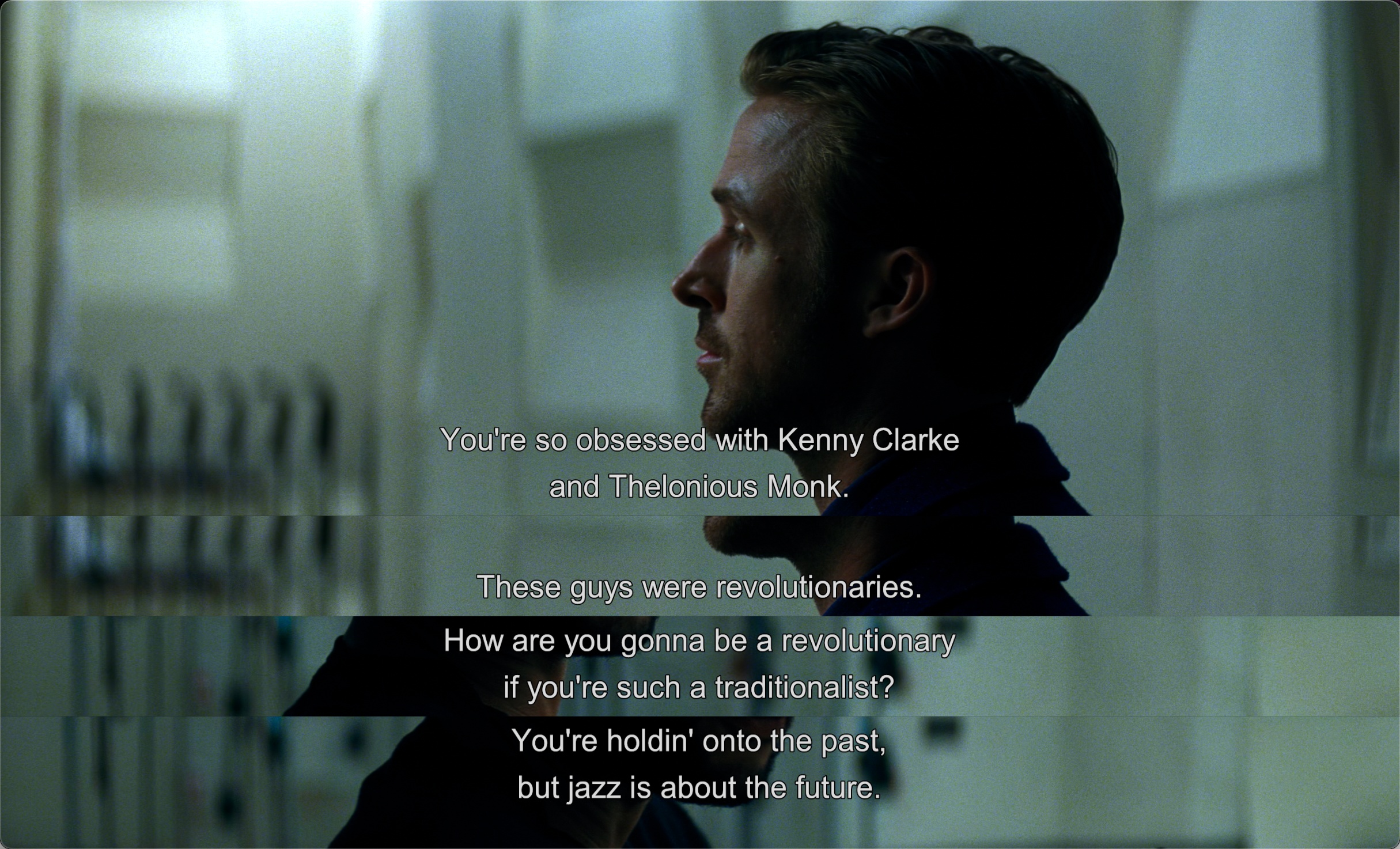
Does he even truly love jazz? Keith makes the point clearly in the film: jazz was, at its inception, avant-garde, rebellious, subversive. Seb’s pursuit of purist jazz — isn’t that itself a betrayal of the jazz spirit?
Mia
After the screening, I discussed the film with Xiaohong, who was writing a feature story about short dramas on mini-programs (an excellent piece). She remarked that Mia reminded her of the aspiring actors she’d interviewed in Hengdian — China’s Hollywood equivalent. But on closer reflection, the comparison doesn’t hold.
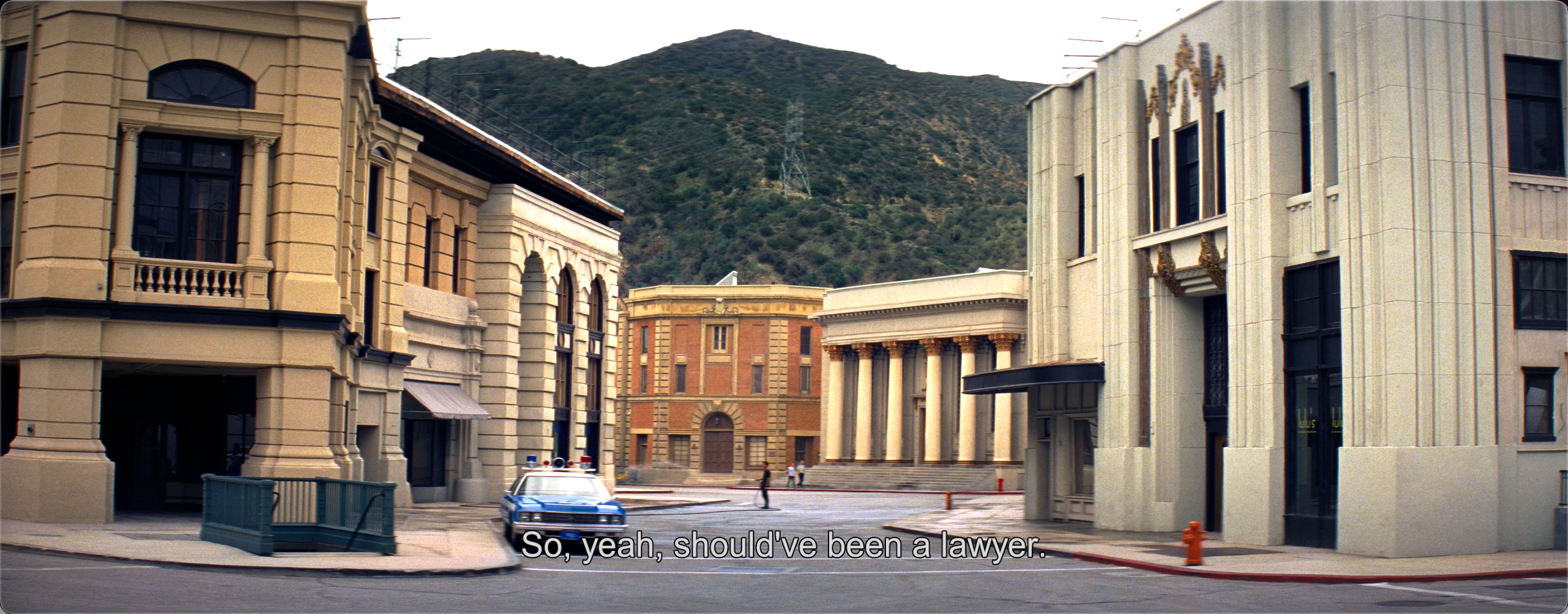
In the film, Mia holds a law degree. If acting doesn’t work out, she can always go back to being a lawyer. Her aunt is a well-known actress who used to bring Mia along on set; Mia essentially grew up in a theater family, absorbing the craft from childhood. And she’s pursuing her dream in the best place on earth for making movies — Hollywood. Her circumstances are nothing like those of the Hengdian drifters.
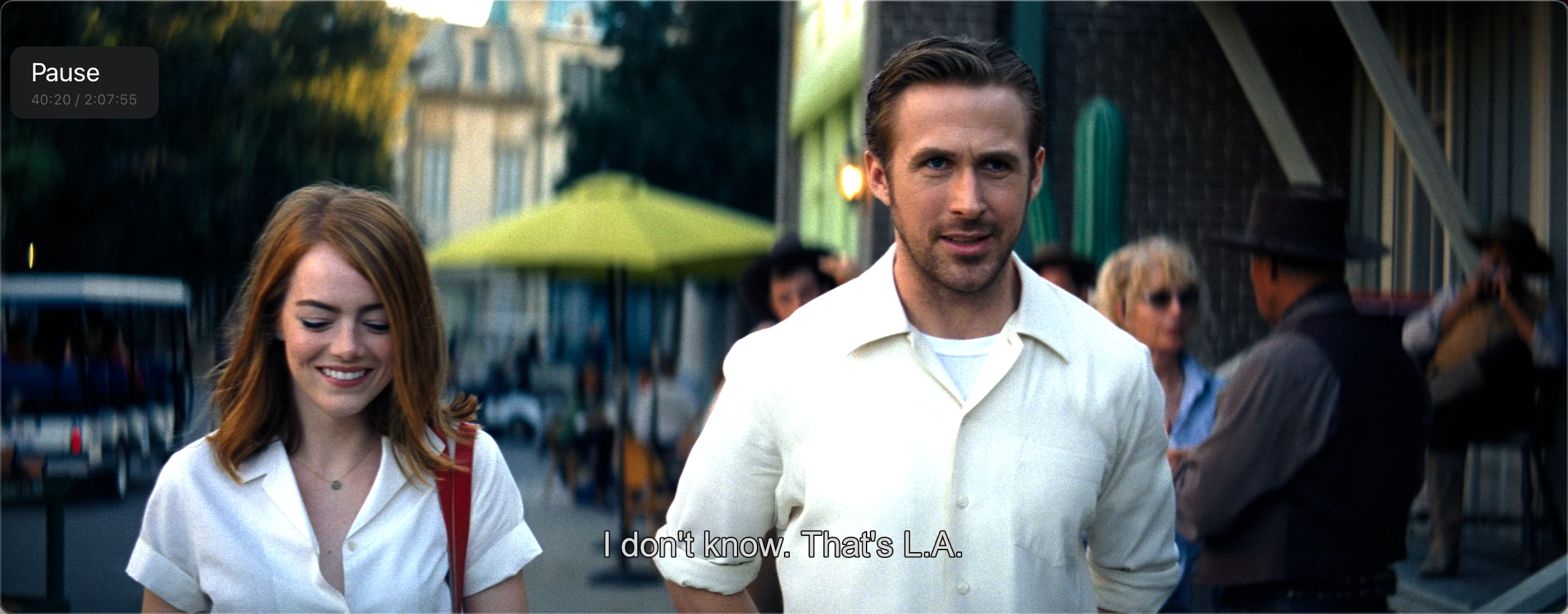
The film bears this out. In her final audition, Mia earns the role by performing the story her aunt once told her — the one set in Paris. From there, her career takes off. We can call it a choice closer to her authentic self, but from a practical standpoint, it’s also the accumulation of her background working in her favor.
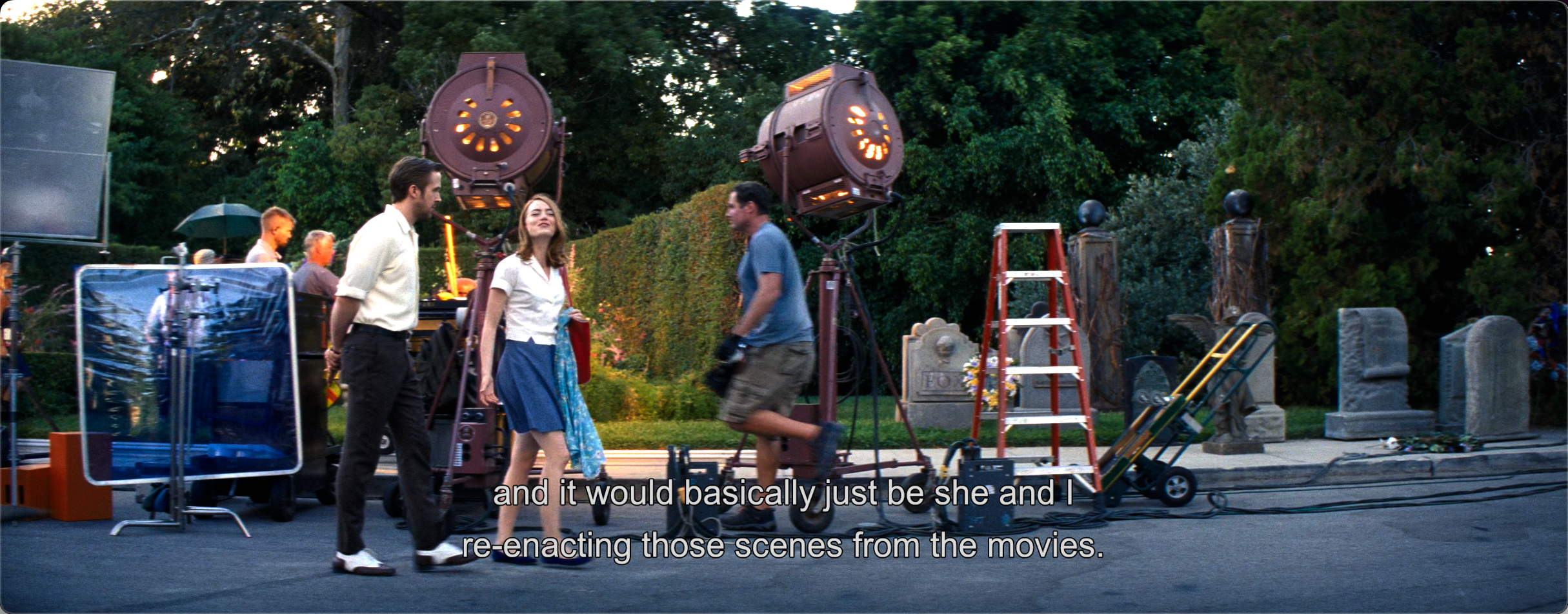
If Mia lacks neither ability nor preparation, why did she struggle for so long? Because she lacked courage. At first, Mia had no idea how to leverage her own strengths — she could write her own scripts. And whenever she hit an obstacle, her first instinct was to give up. What makes the film brilliant is that at every critical juncture, it’s Seb who steps forward and pushes Mia onward. He’s the one who tells her she shouldn’t be auditioning for other people’s roles but writing her own. He’s the one who, that final time, drives to her parents’ house and leans on the horn until she comes out.
Mia didn’t know her own edge. She didn’t know she carried a blade within her.
Mia’s central question is courage.
The Dionysian and the Apollonian
Nietzsche used “the Dionysian” and “the Apollonian” as a pair of opposing spiritual paradigms: the Dionysian is passionate, boundary-breaking, irrational; the Apollonian is classical, restrained, rational.
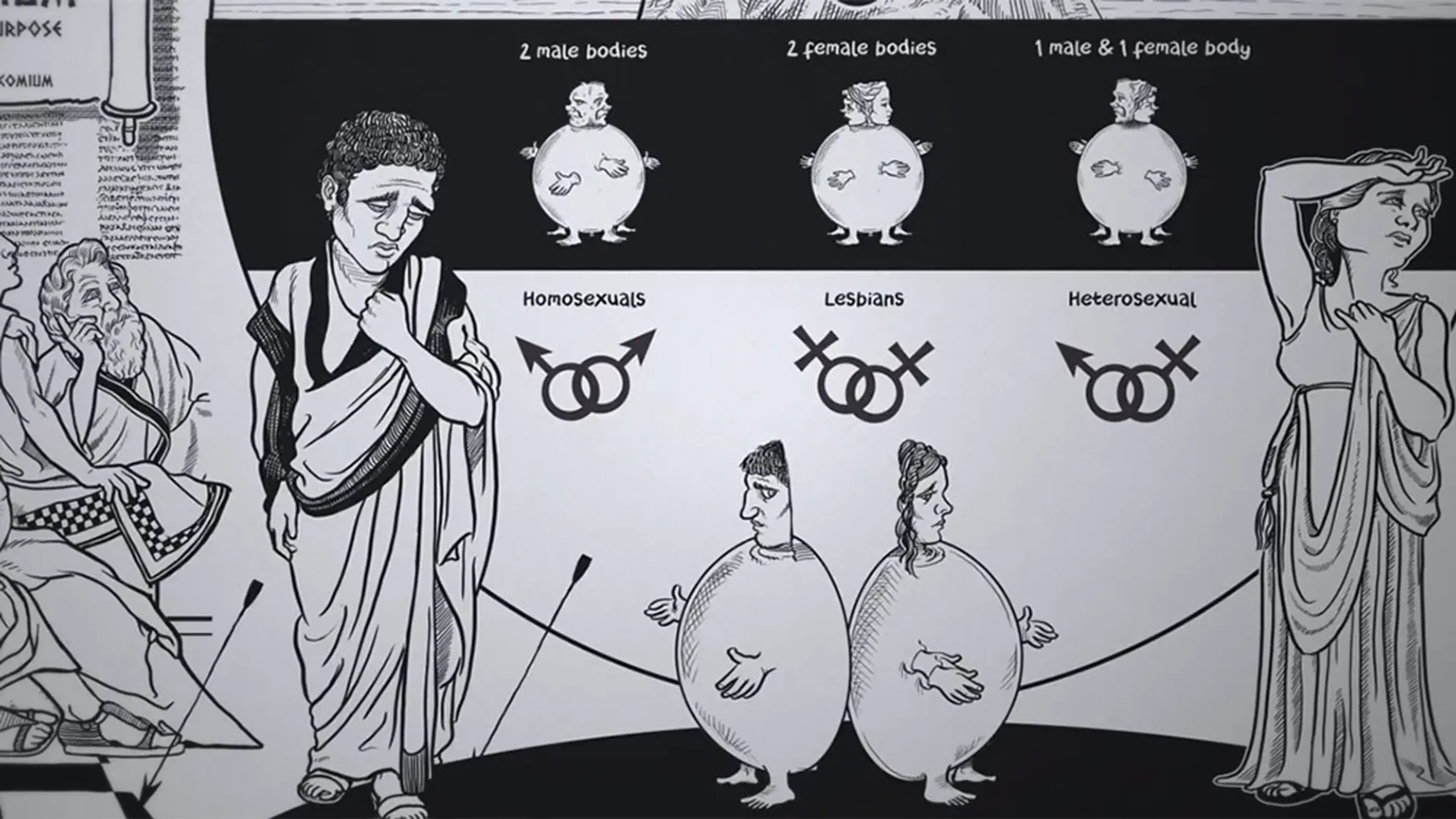
In the Symposium, Plato writes that primordial humans had two faces, two pairs of eyes and nostrils, four arms and four legs — beings of immense strength who even dared to assault the gods. So Zeus split each one in half. Ever since, every person has searched for their severed other half. The sole desire of those who find their other half is to be fused back into one, forever. This, Plato tells us, is the ultimate purpose of love.
Mia and Seb are opposites who complete each other. Mia is talented but lacks confidence; Seb is gifted but evades responsibility. It’s for Mia that Seb decides to take on real-world obligations, which eventually leads him to his dream jazz bar. And every time Mia is about to give up, it’s Seb who pushes her forward, building her confidence, urging her to be brave.
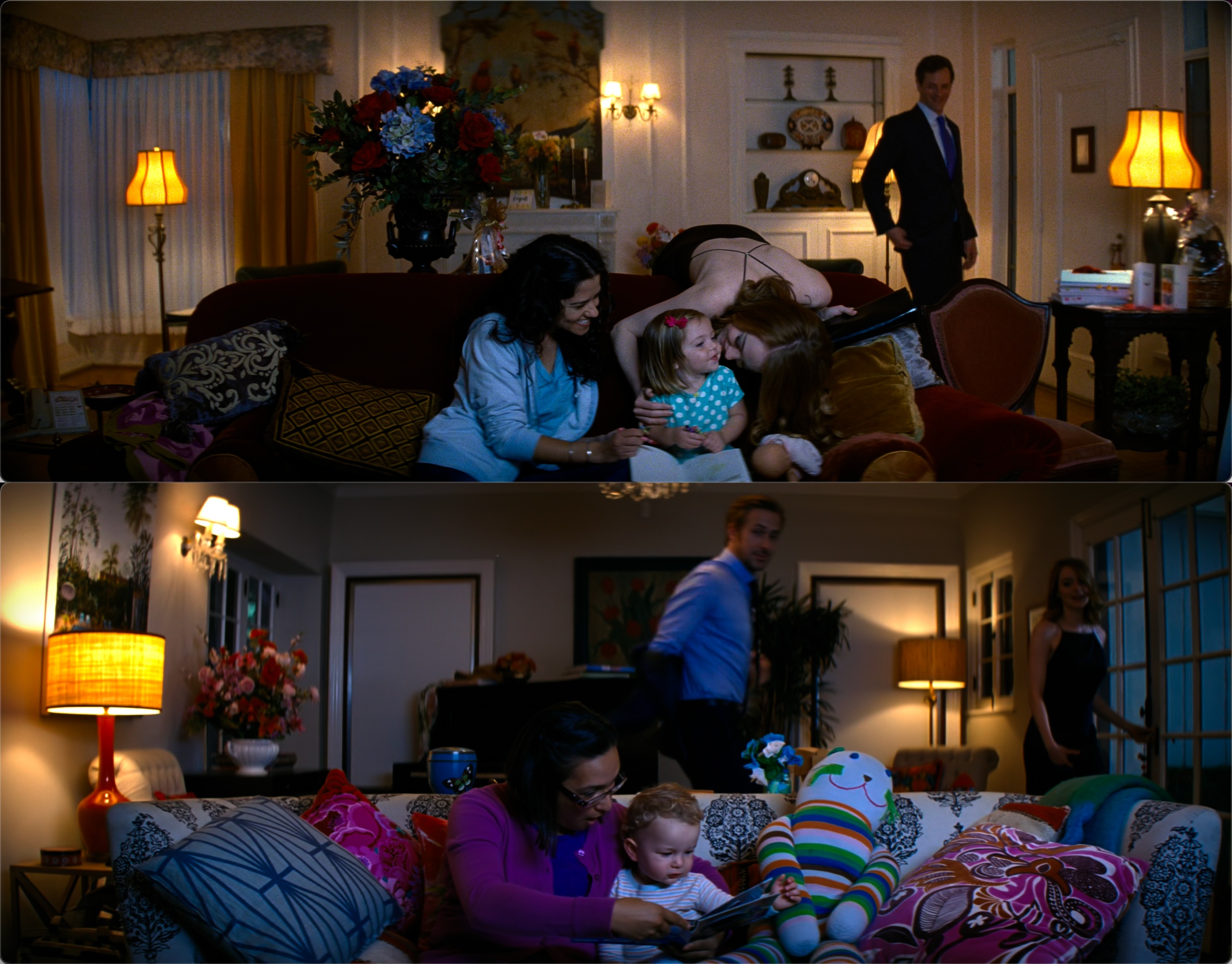
As a love story, it’s undeniably a tragedy — they don’t end up together. From the perspective of their individual lives, it’s not a tragedy at all — they both grew, and they both realized their original dreams. In that seven-minute montage at the end, Mia and Seb live out an entire life together, a small consolation for what might have been.
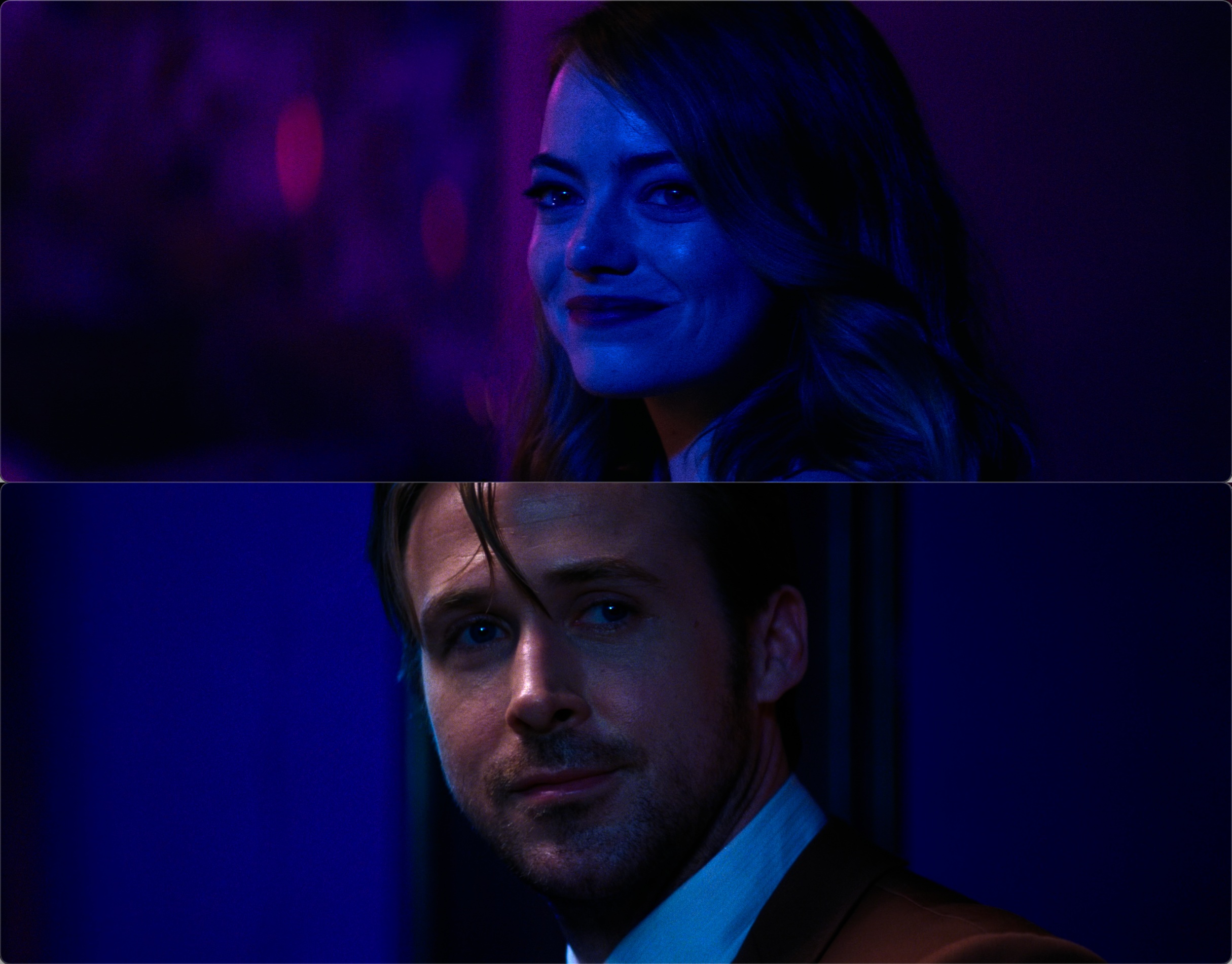
What I love most is their final, knowing glance at each other. That is enough.
Epilogue
Late 2016. My senior year. I’d already secured my post-graduation plans and finished all my credits, yet I felt an overwhelming sense of malaise. I remember that winter being bitterly cold. I watched Scorsese’s Taxi Driver over and over; I played Leonard Cohen’s “Famous Blue Raincoat” on repeat. Deep down, I didn’t want that job everyone envied. I didn’t want to be that person bathed in sunshine.
That trip to America was a formative experience. The West Coast was eternally sun-drenched, technology eternally advancing. In Mountain View, they were planning to launch high-altitude balloons so children in Amazonian tribes could connect to the internet. Kids always had dreams.
Seven years have passed. Everyone seems to have grown more cautious. The Sebs just want to stay inside the vintage playgrounds they’ve built for themselves. Do the Mias still have the courage to dream?
Well, I don’t know.
But I do know this: the best way to reach the future is to start building it.
And here’s to the fools who dream
Crazy as they may seem
Here’s to the hearts that break
Here’s to the mess we make
2024-01-13 @Shanghai