On Life, Death, and Forgetting
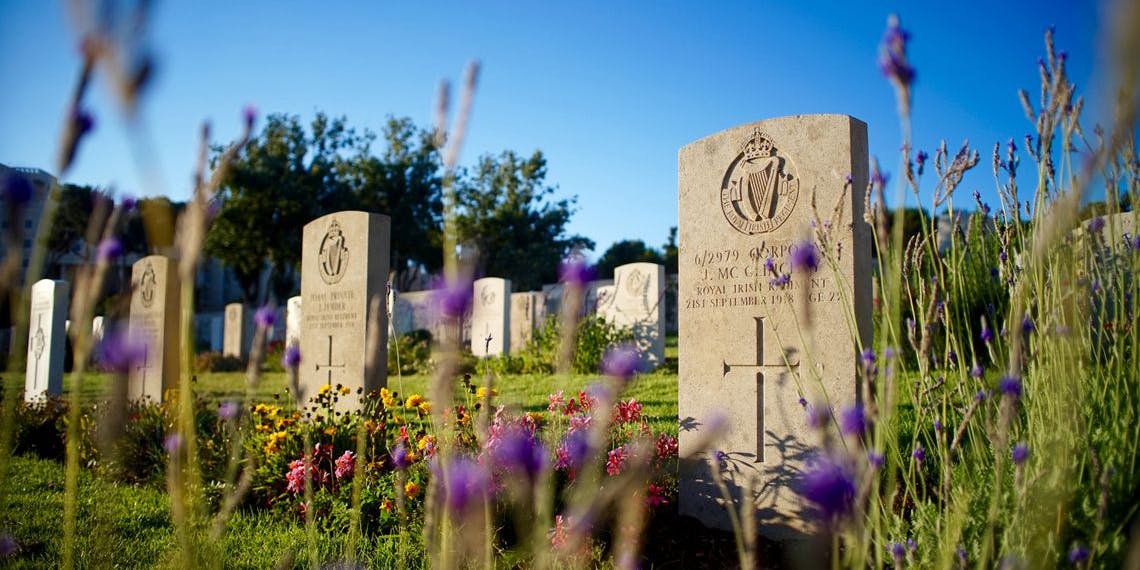 2020 has been a terrible year. It feels like just yesterday everyone was joking about whether we’d opened 2020 the wrong way, and now it’s already Qingming Festival—the day the Chinese honor their dead.
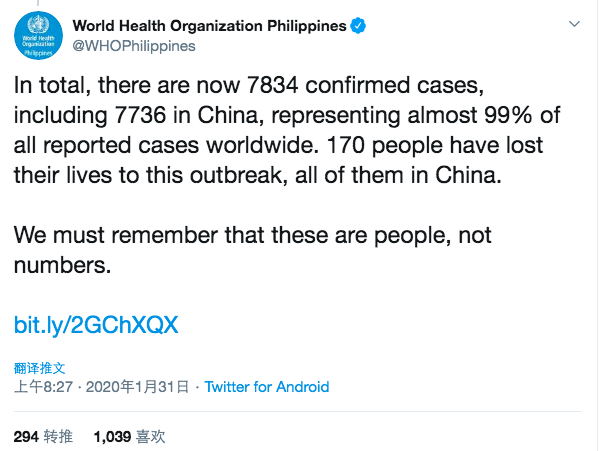
The whole of humanity is still in the grip of disaster. COVID-19 infections and deaths continue to climb. So on this day of remembrance, let’s talk about death.
Nomadic and agrarian civilizations
The living can never know what lies after death. We fear the unknown, and death cannot be avoided—so humanity has invented many explanations for what comes after.
The Abrahamic religions hold that God created the world and made humans in His image. The body dies, but the soul is immortal: the righteous enter heaven after death, while the wicked are cast into hell to suffer.
The Abrahamic faiths—Christianity, Islam, Judaism—originated in the deserts of West Asia. Buddhism, which arose in ancient India, offers a radically different view.
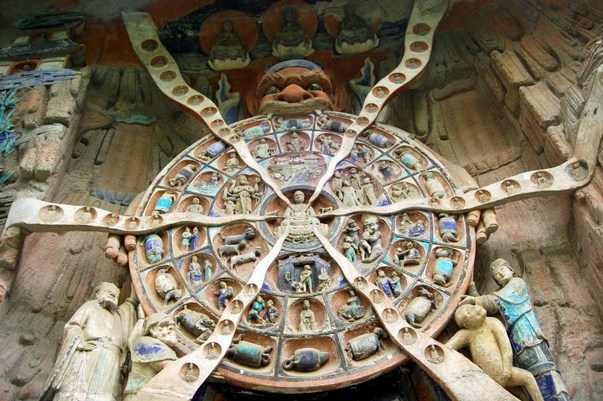
Buddhism holds that beings are trapped in an endless cycle of reincarnation. Based on the good and evil deeds of one’s life, one is reborn across the six realms—gods, humans, asuras, animals, hungry ghosts, hell—cycling through birth and death without end.
To put it simply and crudely: the Abrahamic worldview sees history as linear, with a clear beginning and end. The Buddhist worldview sees it as circular, with no beginning and no end, turning forever. The Western view is like a side-scrolling adventure game—keep fighting, keep leveling up. The Eastern view is like an arcade puzzle game—finish one round, and another begins, and you can never stop.
This divergence is fascinating, because it likely stems from geography. The nomadic civilizations of the West lived in deserts, where the landscape never holds a fixed shape—one gust of wind and everything changes. So too with the world: the journey between beginning and end is full of uncertainty. Buddhism, meanwhile, was born in the Indian subcontinent, where the southwestern monsoon brings reliable rainfall year after year. The ancient Indians lived on fertile fields, watching the sun rise and set, planting in spring and harvesting in autumn. Naturally, the world must be cyclical and predictable too.
A few bugs
But whether it’s the Abrahamic promise of heaven or Buddhism’s wheel of rebirth, a closer look reveals some bugs.
The current world population is 7.7 billion. Since the dawn of humanity, over 100 billion people have lived on Earth—an enormous number. If heaven actually exists, wouldn’t it suffer from server overload? Latency spikes? Packet loss? Does heaven need to scale up? Refactor its architecture? Is heaven running on PHP or Node.js…
And if reincarnation is the system, the math doesn’t add up either. Around 800 AD, the global population was roughly 300 million. How did 300 million daily active users somehow reincarnate their way to 7.7 billion? Do the six realms run growth hacking campaigns? User referral programs? Where are the new users coming from? The numbers keep climbing but nobody can attribute the growth—the product manager must be losing sleep.
The Egg
To debug these problems, I read widely and eventually found a remarkable short story called “The Egg” (link at the end). The premise: the universe is an egg. I’m serious—that’s literally what it means. The story is simple:
One day the protagonist dies in a car accident.
He meets God and asks: Am I dead?
God says: Yes, you are.
He asks: So… am I going to be reincarnated?
God says: Hold on, don’t rush into it. Let me show you around first.
God takes him on a tour, showing him many lives. God points to one and says: See that? That’s your next life. You’ll be a peasant girl in China, 540 AD.
The protagonist is stunned: Wait—I can be reincarnated into the past?
God: Of course. You’ve already been Hitler, and every Jew Hitler killed. You’ll be Lincoln, and every slave Lincoln freed… You will live every human life that has ever existed. Each life makes you grow—wiser, more mature. Once you’ve lived every life in all of time, you’ll be mature enough to be born.
That’s the plot. Extremely simple. In truth, the story is less a narrative than an articulation of a worldview, draped in the thinnest fictional clothing. But then, isn’t every work of art a projection of its author’s worldview? Fair enough.
Simple as it is, I love this premise: I will live every life of every person across all of time. In other words, I am everyone. I am you, and you are me.
On first inspection, there are no bugs. Living every human life sounds like a lot, but it’s still a finite number. Besides—does time even exist?
If all of humanity accepted this premise, the world would become a better place. No more wars—why would I kill myself? No more poverty or envy—I’ll experience all suffering and all glory in due course. No more sordid betrayals—the man I’ve wronged is just a former version of me.
A beautiful premise. True equality among all beings. True unity of humankind. Though I suspect that given humanity’s capacity for foolishness, we’d never grasp its elegance.
Dia de los Muertos
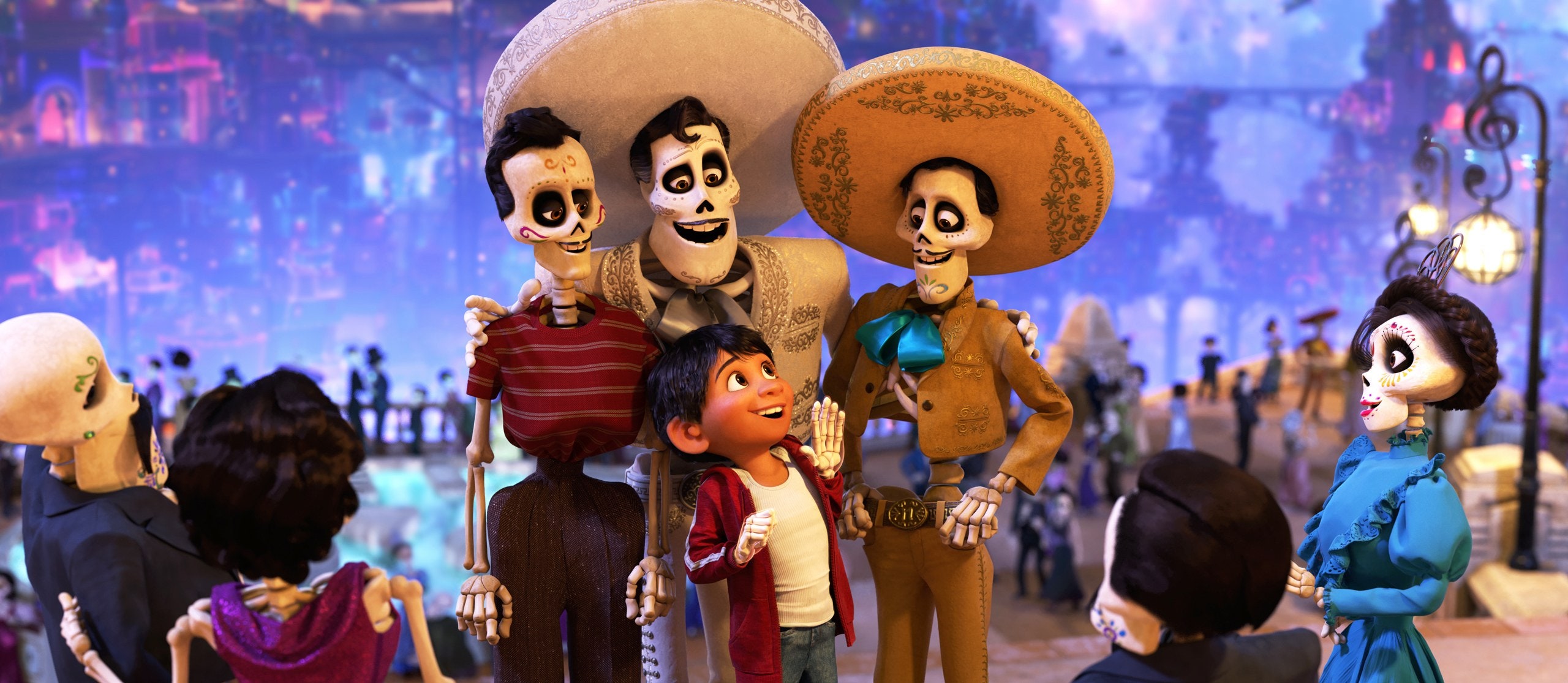
The film Coco presents another fascinating view of death. Death is not the end. After dying, you enter the Land of the Dead, and each year on Dia de los Muertos you can cross back to visit your living family. But if no one in the living world remembers you anymore, your soul dissolves forever—to be forgotten is the true death.
This elegantly solves heaven’s overload bug. And with a little elaboration, it also encourages goodness in life—people will always honor the kind, allowing them to live well in the Land of the Dead. As for tyrants like Hitler and Stalin, people can remember them with contempt, ensuring their punishment persists even in death.
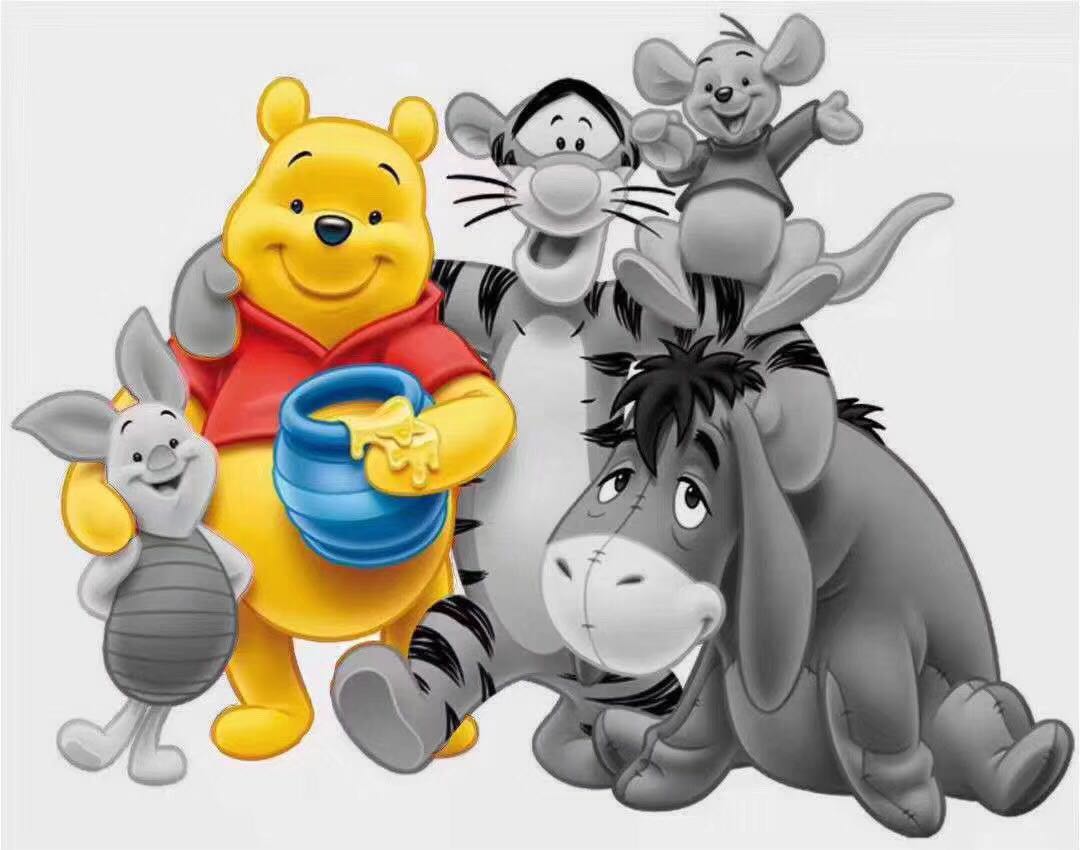
This idea even echoes Wang Yangming’s philosophy from the distant East: “When you do not look at this flower, both the flower and your mind are at rest. When you come to look at it, the flower’s color becomes vivid all at once.” The world exists entirely within our perception and imagination. If you have completely forgotten something, how is that any different from it never having happened at all?
To be forgotten is the true death
So we must not forget.
We must not forget what happened. We must not forget the questions still unanswered. We must not forget the people who sacrificed themselves…
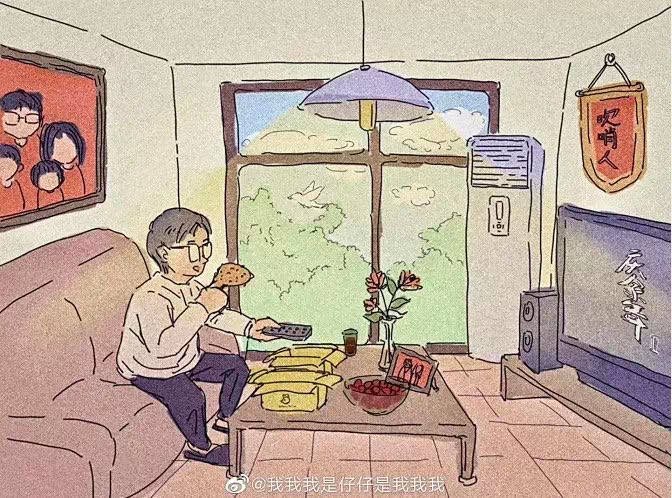
Those who donated all their masks—meant as payment for their wages. Those who blew the whistle for the rest of us. Those who kept fighting on the front lines. Those who said, “I will tell everyone I can”…
Cover photo: by Jason @Jerusalem
2020-04-06 @Shanghai