The Ordinary Road of a Hero City
1
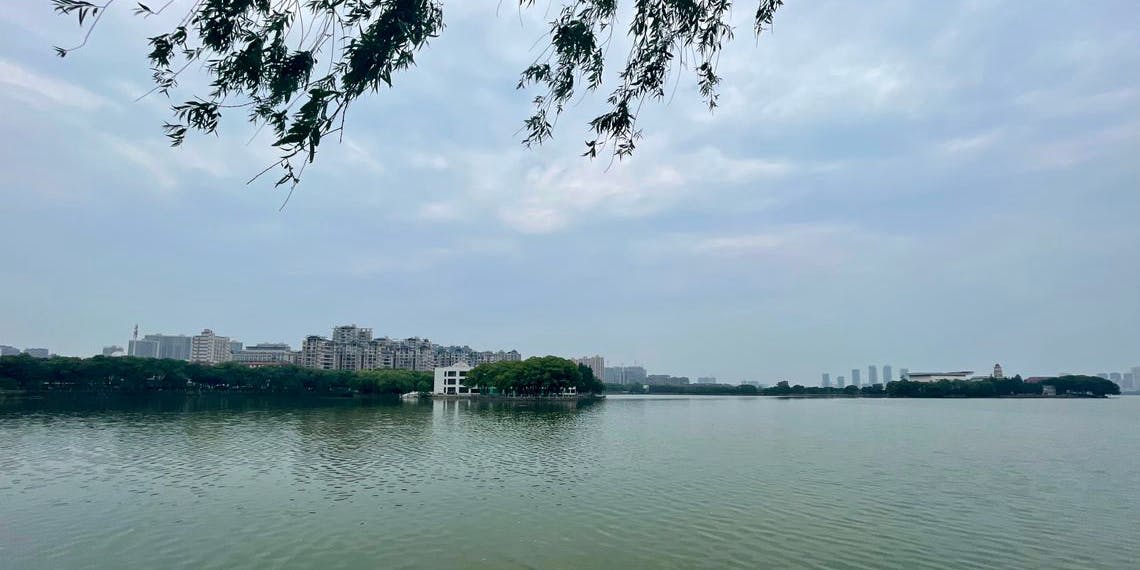
My hometown, Nanchang, is a Hero City.
As the saying goes, heroes are born in troubled times. The people of Nanchang like to boast: you can never run out of Nanchang luohans. Luohan — also known as street thugs, gangsters. Much like the characters in Hong Kong gangster films, the combat power of Nanchang luohans varied enormously: some specialized in shaking down elementary schoolers, others carried machetes. The most notorious luohan gathering spot in Nanchang was Dashi Yuan. In my naive youth, I once wandered in and was promptly relieved of 5 yuan. Only later did I learn that Dashi Yuan was named after Guanyin Dashi — the Bodhisattva of Compassion. So Nanchang wasn’t merely a Hero City; it was also a city with a certain spiritual aptitude.
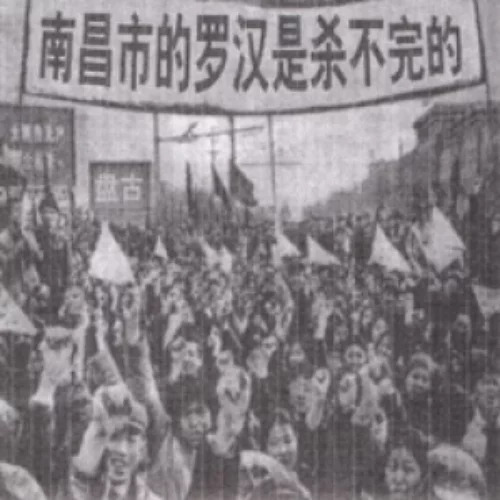
Nanchang Bros are unfuckable
Next to Dashi Yuan stood a middle school called No. 11, later renamed Bayi Middle School. On the wall by its gate was an inscription by the Elder. Across from Bayi Middle School was the alley where I once lived. At the mouth of the alley sat an elementary school named Jihong — “Carry on the Red” — ten thousand miles of rivers and mountains, the color never fading.
Besides the motorcycle taxi drivers loitering at the alley entrance, there was also a fool. A genuine fool — for as long as I could remember, he appeared every day at the alley entrance, face tilted 45 degrees toward the sky, calling out “Daddy! Daddy!” like an NPC.
He wasn’t exactly wrong. The streets were full of daddies. Everyone felt entitled to lecture everyone else; everyone ought to “learn a thing or two.” Take Nanchang’s taxi drivers: always one hand on the wheel, cigarette dangling from their lips, tearing through traffic with cinematic flair, overtaking on all sides, while simultaneously trash-talking every vehicle they passed at even greater speed. Or the motorcycle taxi drivers: forever young, forever helmetless, five yuan to go anywhere in the city, outrunning even the cabs.
Nanchang, my hometown, a Hero City.
2
I’m not actually trying to badmouth my hometown. Let me state for the record: I love my hometown.
The Nanchang of those years genuinely had terrible public safety. Burglaries were rampant. Thieves always broke in through windows. Out of desperation, ground-floor residents installed anti-theft window bars, effectively placing themselves under house arrest. But this produced an unexpected chain reaction. The thieves simply stepped on the first-floor bars to reach the second floor, so second-floor residents installed bars too. Then third-floor residents… then fourth-floor… then fifth-floor… then sixth — oh wait, buildings in those days only went up to six stories.
During this year’s May Day holiday, Nanchang went into a three-day standstill and successfully contained the epidemic, achieving a great victory. Recently I had the chance to visit Nanchang, only to find that many residential compounds still had their sheet-metal quarantine walls standing. Paths I’d known since childhood, unmarked on any map, were blocked with barricades. They reminded me of the anti-theft bars from my youth.
Looking at the lockdown measures across different compounds, the logic seemed identical to installing those bars: if Compound A locks down but Compound B doesn’t, then the virus — no, then the pressure shifts to Compound B, so Compound B says: check. A and B both look at C, and C has no choice but to call. Once A raises, B and C can only follow. Eventually everyone goes all in.
If you don’t explode in silence, you escalate in silence.
This wasn’t entirely a bad thing, mind you. During the great Tang Dynasty’s Zhenguan era, Chang’an was divided into 110 wards, with non-essential travel between wards prohibited. The recent measures were simply letting everyone experience the glory of the Tang Dynasty in an immersive way. Such good fortune — best to count your blessings quietly.
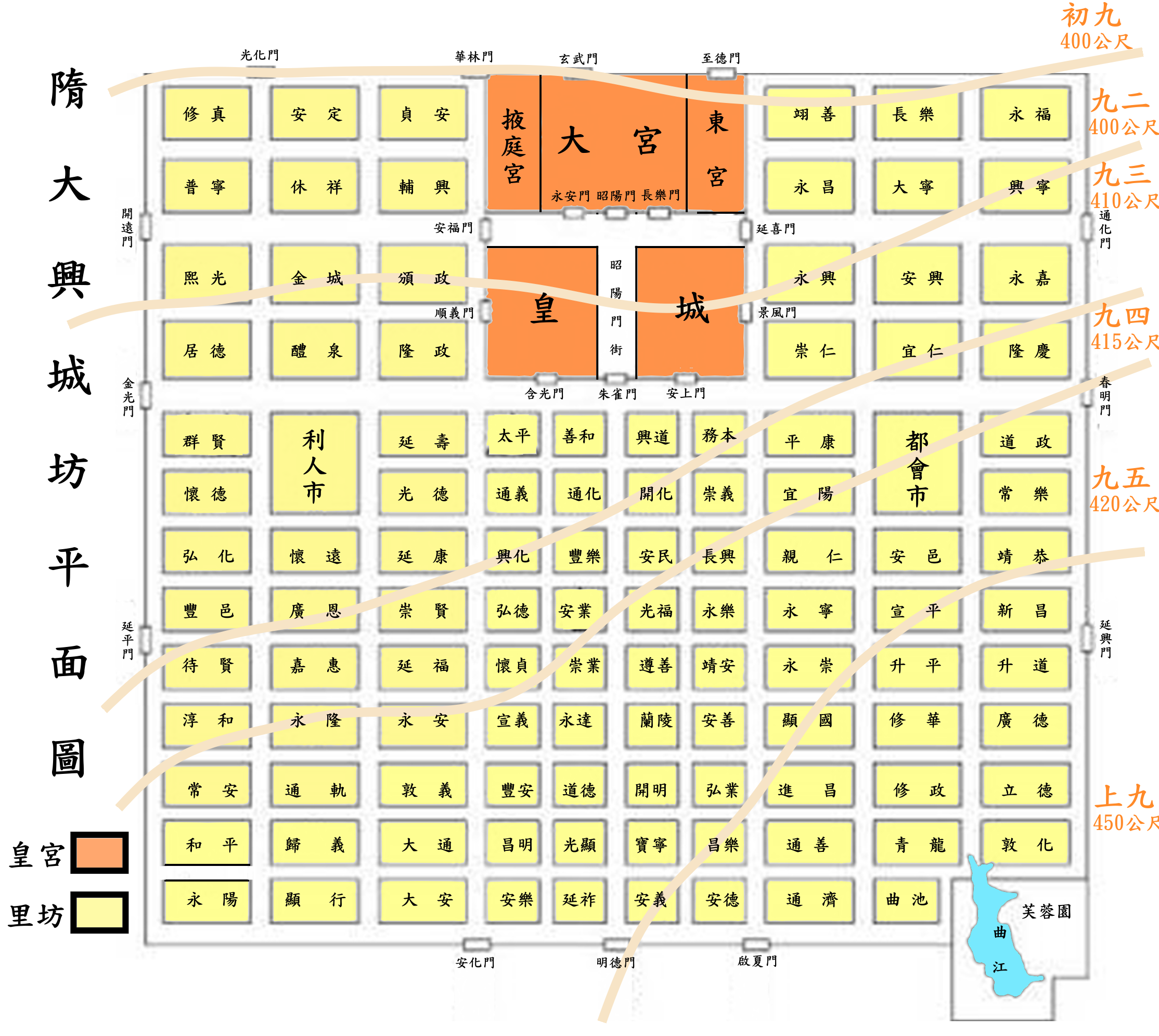
The Sui and Tang were basically the same family
Speaking of the Tang Dynasty — there are always people who fantasize about returning to it. Last year, when the elephants in Yunnan migrated north, some experts said that in ancient China, Henan used to be much warmer, which is why Henan’s abbreviation “Yu” depicts a person leading an elephant. Now with global warming, the elephants can’t stand Yunnan anymore, and we’re about to witness the return of the Tang Dynasty’s glory.
Utter nonsense. I think it was the experts’ brains that overheated.
3
Everyone has moments of hot-headedness.
My first love had naturally curly hair. In 2008, I had what remains the most beautiful summer of my life. Every day we went to New Oriental classes together, studied together after class, and shared coconut milk herbal jelly during study sessions.
Back then, the world moved slowly, motorcycles moved fast, and coconut milk herbal jelly was cheap.
And now? The same herbal jelly costs ten times as much. Goddamn evil capitalism — long live socialism.
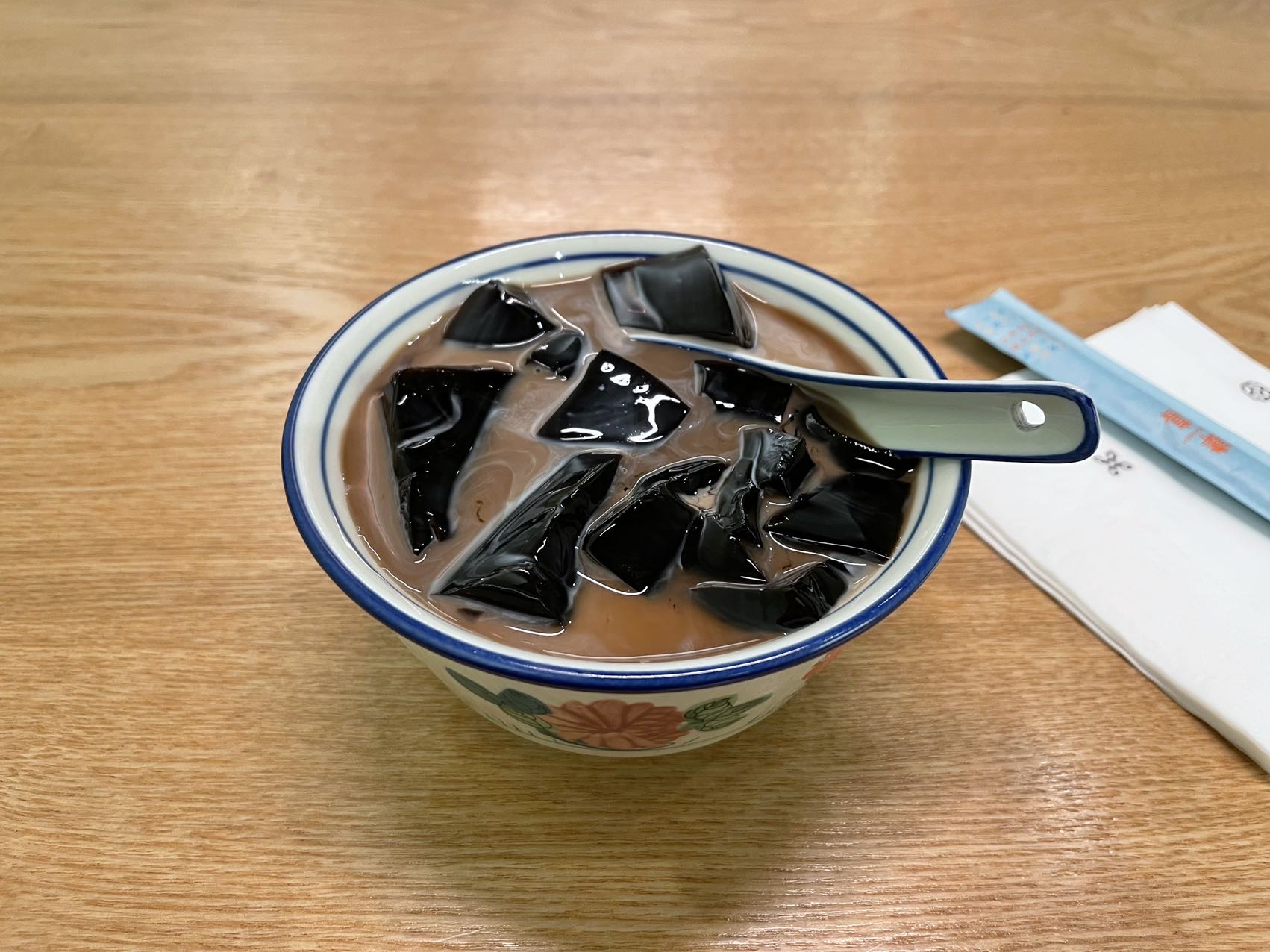
Coconut milk herbal jelly — can’t afford it anymore
But I know that memory comes with a filter. What I call “the most beautiful summer of my life” exists largely in my imagination. When I look back, I habitually keep only the good parts — like that head of natural curls.
Why do people miss the past? Ultimately, because they have too much free time. During Chinese New Year, for instance, everyone’s idle, so the elders gather to drink and bullshit, reminiscing about the glorious years gone by — ration coupons, work-unit compounds, how wonderful the ’80s were. But the moment a red envelope drops in the group chat, they’re faster than a Western journalist sprinting to the scene.
4
Many people miss the life of the past. The world after opening up was too vast — so vast it terrified them. Only the people’s commune could provide enough security.
It’s not actually hard to experience that era, though. Just go to North Korea. For my college graduation trip, I had the eccentric idea of choosing Pyongyang as our destination. I remember the streets were straight, the buildings tall and uniform, the whole city radiating a Bauhaus aesthetic. In early 2020, when the pandemic had just started, I stood alone on an overpass on the North Fourth Ring Road in Beijing, looking east at the straight, broad avenue stretching to the vanishing point, and couldn’t help thinking of the fat man on Baekdu Mountain, even further east.
The trip was quite pleasant overall — good food, good drink, and North Korean women dancing for entertainment. But the moment we returned to the motherland’s embrace, everyone frantically pulled out their phones to catch up on WeChat Moments. My last post had been sneaked out just inside the North Korean border, riding China Unicom’s miraculously strong signal. The photo was a candid shot of an Air Koryo twin-propeller aircraft, composed with the grit of Daido Moriyama and the suspense of Hitchcock.
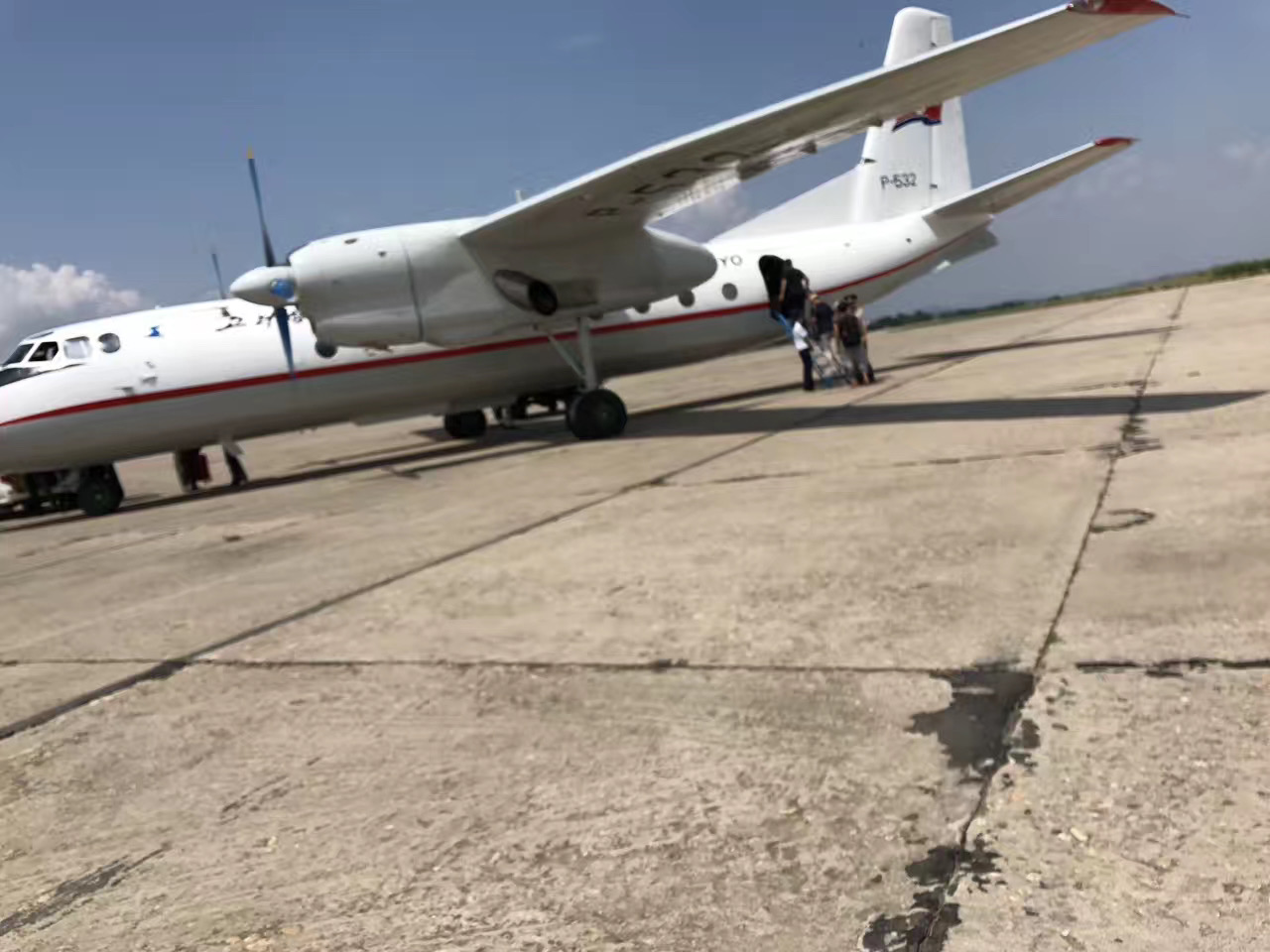
Allegedly 50 years old
Photography was forbidden inside North Korea, but I snuck quite a few shots. North Korean citizens did indeed wear the Great Leader’s portrait pinned over their hearts. We laughed at them at the time. Five years later, I realized we were wrong — they quickly figured out that the virus which had West Korea in a state of emergency was just an ordinary fever. Well, those who’ve studied abroad do see things differently.
Later, people asked me: was North Korea fun? I said: it was interesting. “Interesting” — which translates as: it’s great, you should totally go. I think the China of the past was also quite interesting.
Forrest Gump said: Life was like a box of chocolates, you never know what you’re gonna get. There’s actually a more concise way to put it: Shit happens. Sometimes life is just like that — you never know when your home will be broken into, when you’ll be executed by artillery on the Dear Leader’s orders, when you’ll be hauled off to centralized quarantine.
I hope everyone has good luck, and that when the knock comes at the door, you can say: Ivan is next door.
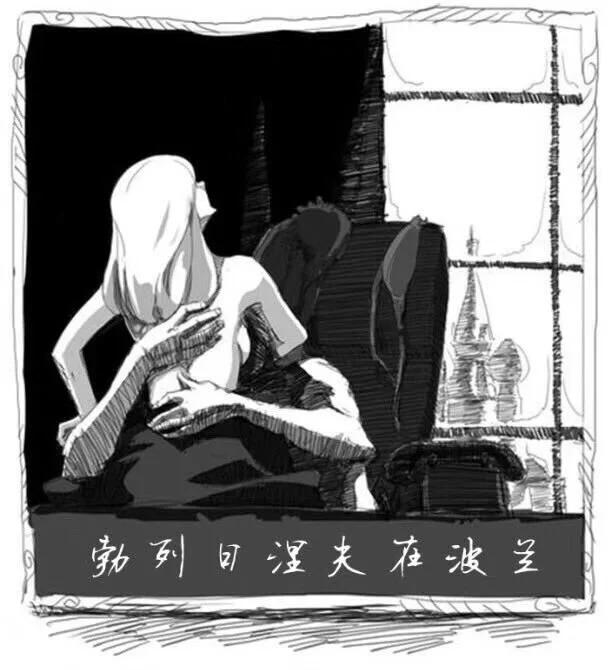
Famous painting: Brezhnev in Poland
My hometown has developed rapidly in recent years. Nobody talks about Nanchang luohans anymore; they call it the Venice of the East now. No exaggeration — it really has become beautiful and livable.
Take crossing the street: all cars, including taxis, now stop to yield to pedestrians. The motorcycle taxi drivers have vanished, replaced by shared electric bikes available everywhere. Everyone has their own beloved little scooter, and — crucially — everyone wears a helmet. Nobody installs anti-theft bars anymore. Even Dashi Yuan, the old luohan stronghold, has opened trendy bars. A few drinks in, and even the luohans have found their compassion — as if the Bodhisattva’s namesake finally caught up with them.
Nanchang has lost its heroic air. It has become an ordinary and pleasant city.
But I think that’s how the world should be. Without oppression, and without being oppressed, there is simply no need for heroes.
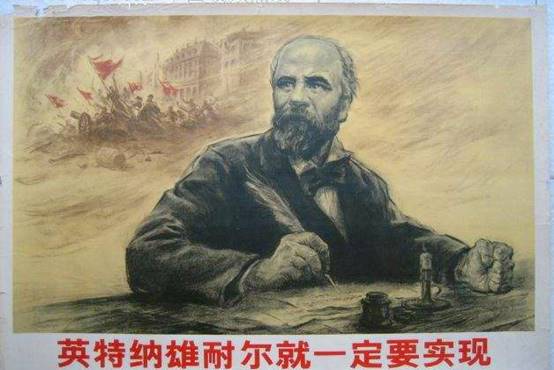
When everyone is a decent citizen, a law-abiding person, when everyone is equal and at ease — there is no need for daddies, either.
Progress, more or less, is the process of killing off your daddies.
5
I also passed by the alley from my childhood.
Not much had changed, really. Time seemed to have stood still here.
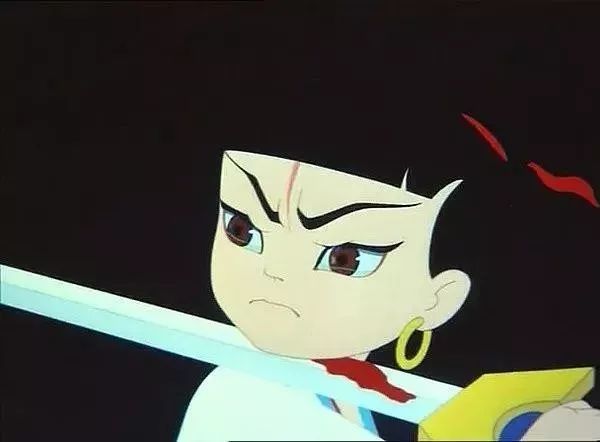
But there were some changes. Jihong Elementary had become a school for children with intellectual disabilities. The fool at the alley entrance was gone. Nobody called out “Daddy! Daddy!” anymore.
6
In “The Ordinary Road,” Pu Shu sings: Walk on, just keep walking.
Walk on, just keep walking. Don’t look back.
2022-05-31 @Nanchang