The Agonizing Detours and the Long Kintsugi
At the end of 2023, I moved to Shanghai and joined Xiaohongshu’s AI painting team. While Midjourney and Stable Diffusion models are incredibly powerful, they’ve always lacked expressiveness when it comes to Chinese aesthetics—a result of insufficient data in the models. Our mission was to enable AI to generate works with authentic Eastern aesthetics, balancing the “Orientalism” in painting models. But this article isn’t about products or models.
In AI art creation, users describe the content and style they want, and can directly “reference” a particular artist’s style to capture their characteristics. Lin Fengmian, Wu Guanzhong, and Zao Wou-Ki are artists frequently mentioned by users—we jokingly called them “the busiest people in the entire project.” Shanghai and Hangzhou happened to have the “Lin Fengmian and Wu Guanzhong Art Exhibition” and the “Zao Wou-Ki Centennial Retrospective,” so I went to study them and learned about their life stories through the exhibitions.
Lin Fengmian was the founding president of the National Academy of Art in Hangzhou (now the China Academy of Art) and Wu Guanzhong’s teacher. Zao Wou-Ki was a contemporary of Wu Guanzhong; though not directly under Lin Fengmian’s tutelage, he was greatly helped and influenced by him. All three studied in France—Lin Fengmian and Wu Guanzhong chose to return to China, while Zao Wou-Ki settled in France, leading to vastly different fates.
The fun part of reading biographies is putting yourself in their shoes, like in Everything Everywhere All at Once—for example, in 1948, would you choose to return to China or stay in France? Or imagining yourself at their age—what was Zao Wou-Ki doing at 29?
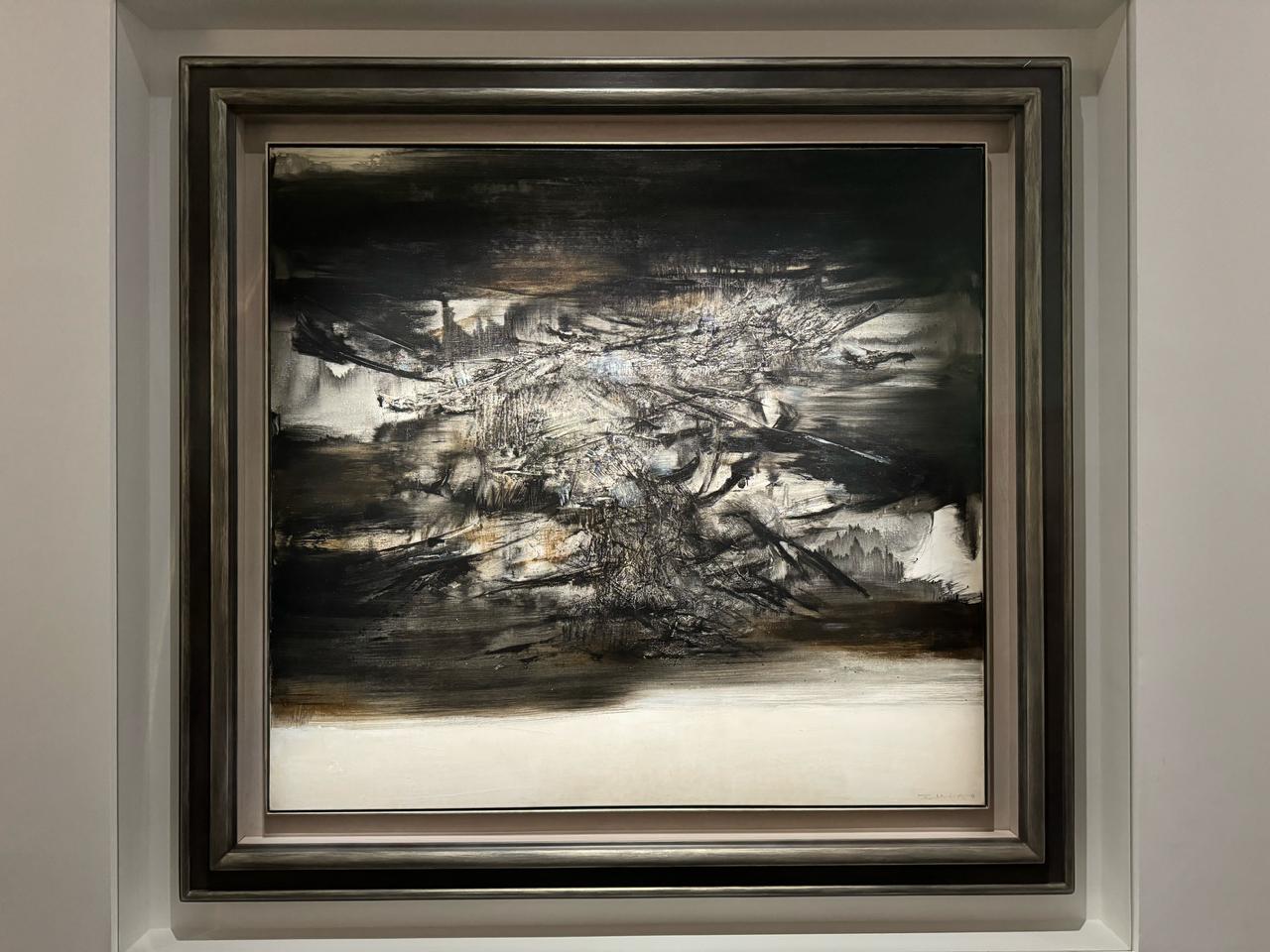
Some experiences are truly heartbreaking to read. The Lin Fengmian exhibition notes: “In 1966, at sixty-seven years old, the Cultural Revolution began. Forced into desperation, he soaked over a thousand of his lifetime’s Chinese paintings in a bathtub, mashed them into pulp, and flushed them down the toilet. Some oil paintings were burned in the stove.” Wu Guanzhong couldn’t escape either: “In 1966, at forty-eight, the Cultural Revolution began. He destroyed his own works along with his collection of foreign art books. Red Guards from the Central Academy of Arts and Crafts raided his home; he was forbidden to paint or write. In 1967, at forty-nine, he was criticized at the Academy, forced to study ‘Chairman Mao’s Works,’ labor, and write self-criticisms.” Having just admired their magnificent works, reading about these experiences brought tears to my eyes.
Both Lin Fengmian and Wu Guanzhong resumed creating in 1976, holding solo exhibitions in the 1980s and regaining recognition and influence. In 1983, Zao Wou-Ki returned to visit China, and Zhejiang Province’s Cultural Department issued special documents to arrange his itinerary, seeking to “unite and win over” this “famous painter.” I can’t help wondering—if the three of them had met, what would that have felt like?
The intellectuals of that era seemed so pure. Wu Ningkun wrote in A Single Tear: In 1951, he resolutely abandoned his doctoral studies and sailed home from San Francisco in response to the motherland’s call. T.D. Lee saw him off and said some “words unfavorable to unity,” urging him to stay in America. Wu Ningkun barely survived, endured countless hardships, and was finally rehabilitated. In 1979, Lee happened to return from America to lecture, and they finally met again at the Beijing Hotel. Wu Ningkun couldn’t help imagining what would have happened if their choices had been reversed.
In Blade Runner, the replicant facing death delivers the iconic line: “All those moments will be lost in time, like tears in rain.” At the end of 2022, when the three-year “Great Health Campaign” finally ended, I posted this quote on WeChat Moments. But I was too young—our culture runs deep and has a more elegant expression:
“We took some detours.”

Of course, history occasionally straightens out. The Lin Fengmian and Wu Guanzhong exhibition is at the China Art Museum, formerly the China Pavilion of the World Expo. In 2001, China joined the WTO and won the Olympic bid; 2008 saw the Beijing Olympics; 2010 brought the Shanghai World Expo—this coincided exactly with my nine years of compulsory education. I’ve always felt incredibly fortunate that the environment of my youth was open and confident, the world was a global village, and all humanity was one family.
You may say I’m a dreamer
But I’m not the only one
Actually, this period of straightening didn’t last very long. The 1992 Southern Tour Speeches truly established reform and opening up; by the end of 2022, the dust had settled. From 1992 to 2022, thirty years passed like a fleeting dream—compared to our five thousand years of history, just a skipping stone.
History has peculiar tastes, bending and straightening. Life goes on. I just miss the spirited energy of that era—we believed ancient China was embracing the spring breeze of modernization, we believed in working together rather than “the East rising and the West declining,” we believed tomorrow would be better. I couldn’t help but sing:
Let our smiles
Be filled with youthful pride
Let us hope tomorrow will be better
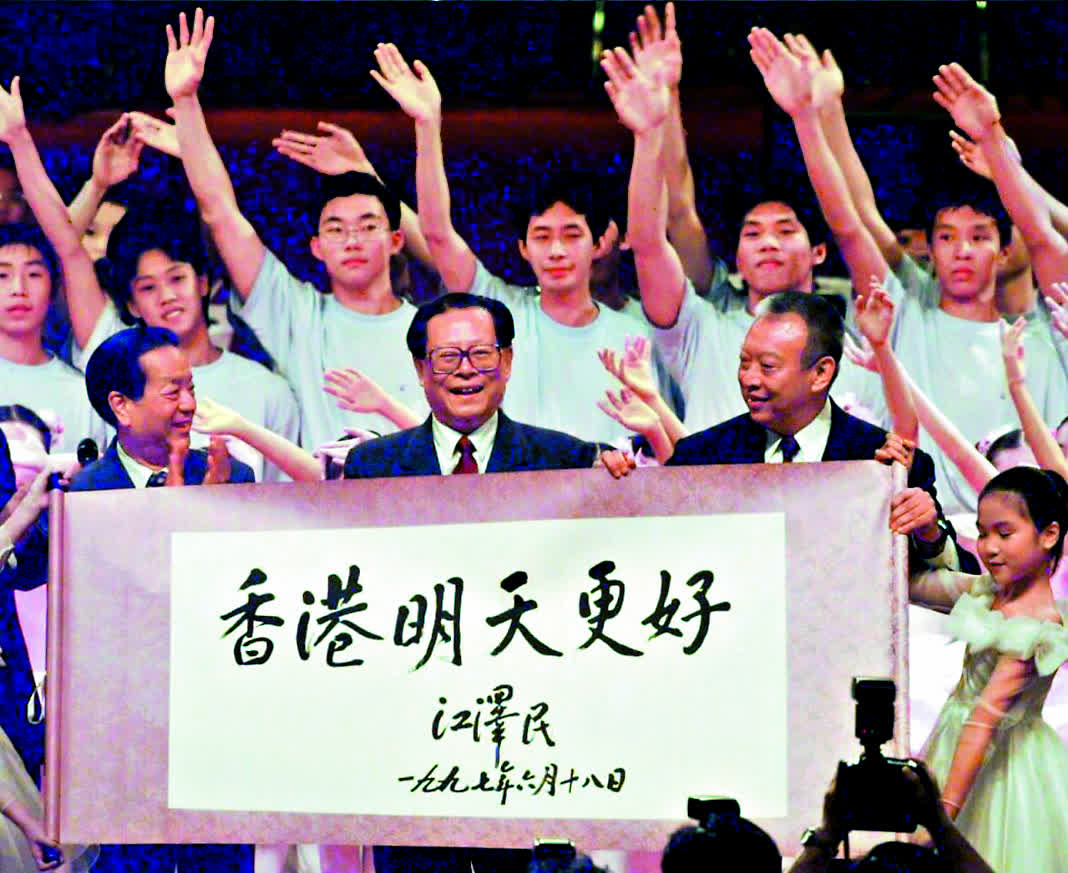
The post-2000s intern looked bewildered, eyes full only of longing for a government job.
The summer of 2008 ended too soon. I miss her dearly.
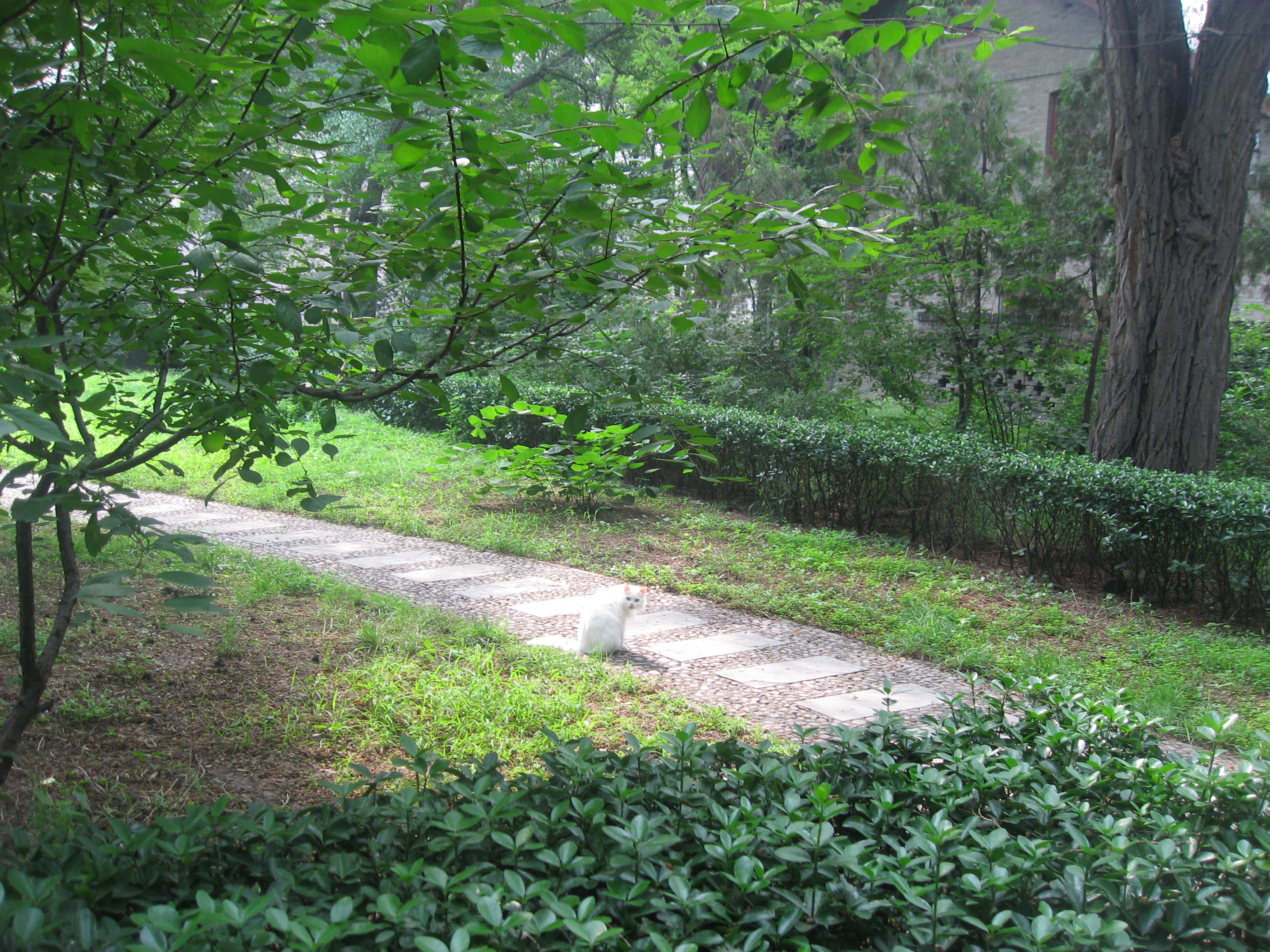
Maybe I’m getting old—lately I keep thinking about childhood things: lost gloves, bullied classmates, the confusion and loss of youth. I remember so many distant yet vivid fragments; they’ve always been deep in my brain, never forgotten.
Last month I watched Lou Ye’s An Unfinished Film. I’ve always been proud of not getting vaccinated and barely being locked down, but seeing the scenes of violent forced lockdowns at the pandemic’s start, I couldn’t help crying. I remembered the anxious days at the end of January 2020, gathering information to decide whether to go home; I remembered returning early to Beijing, streets as empty as Pyongyang; I remembered the N95 masks my Indian friend gave me; I remembered Dr. Li Wenliang’s death; I remembered that night’s outcry across social media.
On the evening of December 13th, having dinner with friends, we talked about the pandemic and realized it was exactly the third anniversary of the health code being discontinued. We reopened ilovexjp, having forgotten how to use it. Hearing “green code, nucleic acid one day” we laughed wildly, then fell into silence together.
As we paid and left, we noticed a painting on the wall beside us:
During the epidemic, all the villages were sealed off.
My mother gave me roasted sweet potatoes through the barbed wires.
This painting depicts my mother planting sweet potatoes.
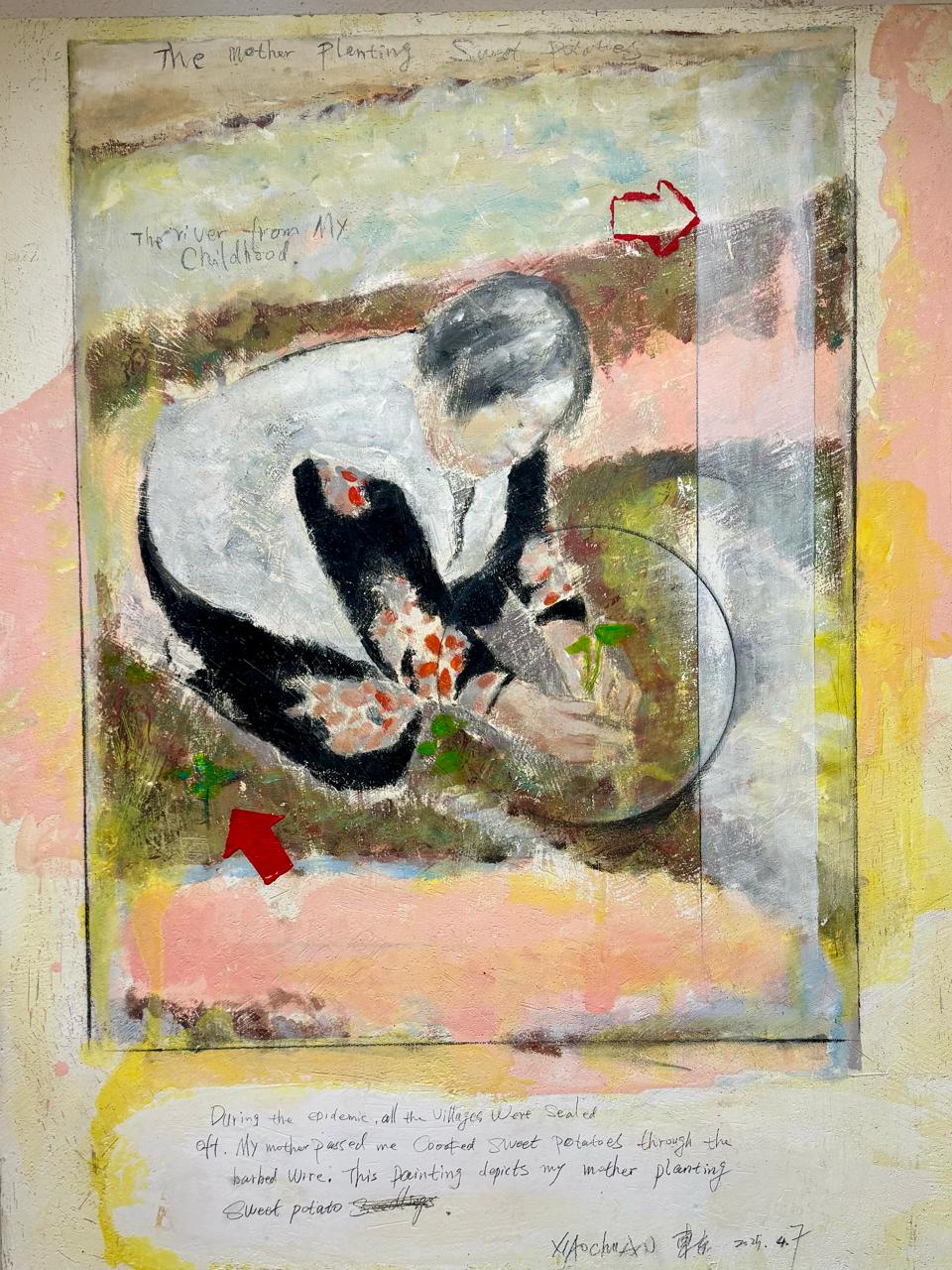
The detours we’ve taken extend far beyond these three years. My friend and I listed the incorrect memories and gave them whimsical names:
- 1957 The Great Left Turn Campaign
- 1957–1961 The Great Production Campaign
- 1959–1961 The Great Diet Campaign
- 1966–1976 The Great Fitness Campaign
- 2020–2022 The Great Health Campaign
These memories, these traumas, have always been there. You think you’ve forgotten, then one day you suddenly remember—cry, laugh, then fall silent.
I’ve found that intellectuals rarely read history. An American friend was considering moving back to China and asked my advice. I recommended she read Life and Death in Shanghai. The author, Nien Cheng, was a true lady—well-educated, independent in thought, elegant in taste. But because of her overseas experience and special work history, she was labeled a “counter-revolutionary” during the Cultural Revolution and endured six and a half years of imprisonment and persecution. During those long years, she inexplicably lost her only daughter Meiping and experienced unimaginable suffering. Even in prison, she maintained her inner sense of justice, kept clean and dignified, and tried to care for those even more vulnerable.
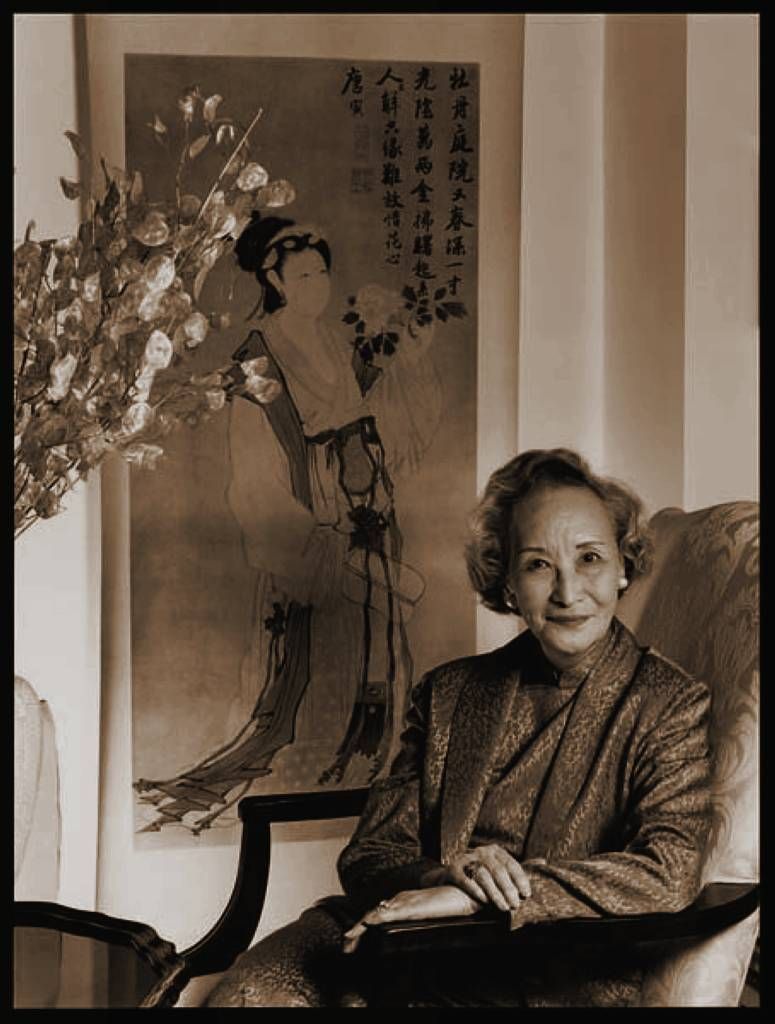
One memorable scene: Red Guards burst into her home and smashed many antiques. Suppressing her heartache, she argued for the artifacts’ value in language they could understand, fighting to protect these cultural treasures. After rehabilitation, the government returned the few remaining pieces; she donated them all to the Shanghai Museum, departed with an unburdened heart, crossed the ocean, and lived peacefully into old age.
Japan has a unique art of Kintsugi—repairing broken pottery with gold lacquer, not concealing the cracks but making them part of the object’s history. The repaired parts become even stronger and more durable than before due to the special craft.
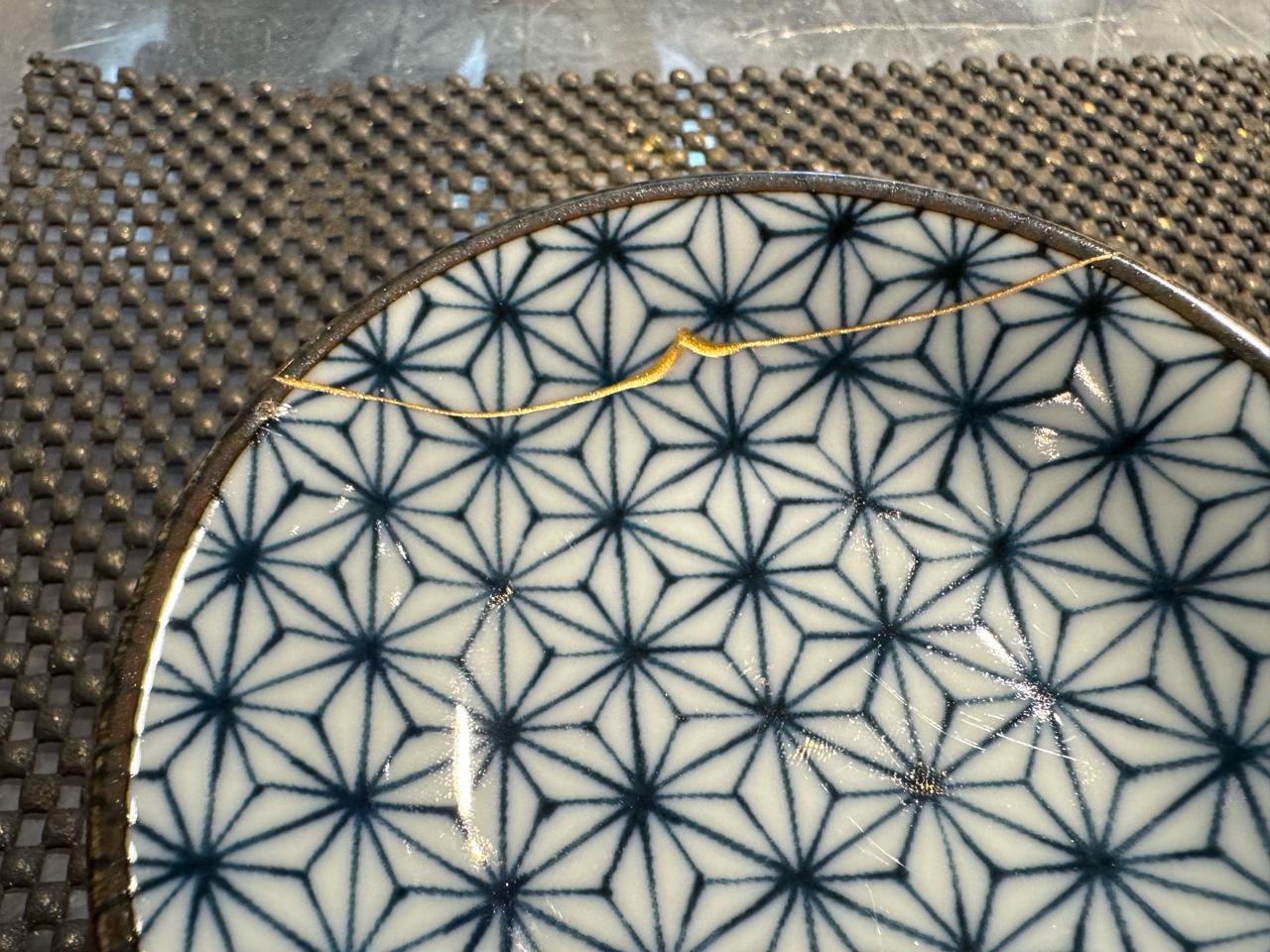 2025-02-18, a perfect day
We cannot discard history that has already happened. The cracks from detours remain; beneath the hastily draped white cloth lie countless hearts and beliefs still broken. I often see people complain about their elders’ obsession with leftovers—eating them even when spoiled. But for those who lived through the Great Diet Campaign, the weight of the word “food” is completely different. Replace it with “the soul’s yearning for freedom” and perhaps you’ll understand—indeed, each generation has its own Long March / Great Leap Forward / Cultural Revolution / Square / whatever-the-fuck-you-name-it.
Eating well and freely basking in sunlight shouldn’t be difficult. In the vast universe, Earth is the blessed planet—it receives inexhaustible solar energy without doing anything. Homo sapiens is the blessed species—we can harvest fruit without doing anything. On a nice day, walk in the park, bask in the sun for five minutes, and joy naturally arises—you praise the Creator. When humans gather together, it should be God worrying about us building the Tower of Babel, not people unable to eat or leave their neighborhoods. Something must have gone wrong. East Asian soil isn’t barren; perhaps there’s just too much sun in these parts.
One generation will grow old; one generation’s trauma may heal or be buried in the earth—either way, it takes a long time. Time heals all. After Japan’s lost decade / two decades / three decades, they’ve finally returned to a growth track. Nothing special—the generation that shouldered the burden has cleared out: that bubble era, I enjoyed it; the debts I owed, I’ve paid off. Stay with me~ ku chi gu se wo i i na ga ra~~
I just don’t know—how long will this detour last? How many long years of Kintsugi will it take?
2025-12-14
@Tokyo